
 By Freddie
 As the educational landscape continues to evolve, digital learning platforms are at the forefront of this transformation. For educators, institutions, and learners aiming to adapt and excel in modern education, understanding these shifts is essential. One of the emerging influences on platform adoption and effectiveness is how education web design shapes the experience for both students and teachers, optimizing accessibility, navigation, and engagement across devices.
The rapid integration of digital technology in education has changed not only how content is delivered, but also how learning is experienced. As platforms mature, they increasingly leverage tools such as artificial intelligence and analytics to create tailored pathways, support lifelong learning, and improve outcomes at scale. Navigating these developments is a key task for all education stakeholders who want to maximize the benefits of these innovations.
Shifting models such as hybrid and blended learning, heightened focus on data security, and the inclusion of gamification are just a few factors redefining what effective teaching and learning look like in a digital-first world. Meanwhile, the demand for flexible education continues to drive the popularity of microcredentials and modular coursework.
To support these changes, many institutions are not just updating their pedagogical approaches, but also rethinking back-end systems, privacy policies, and the very philosophy behind their online offerings. As digital platforms become more interactive and data-driven, it is crucial to keep pace with these pivots to remain competitive and relevant. For more strategic insights on how technology is changing higher education globally, the New York Times Education section offers ongoing coverage of these critical developments.
AI Integration in Digital Learning
Artificial intelligence is making a profound impact on the structure and quality of digital education. Through adaptive assessments, intelligent tutoring systems, and automated grading, AI enables platforms to respond in real time to learner needs. According to a report in eSchool News, 65% of educators are now actively using AI-powered tools, closing resource gaps and improving efficiency in both teaching and administration.
AI’s role will only expand as machine learning algorithms improve at tracking progress and forecasting student challenges. This ensures that instructional support is both timely and effective, raising overall learner satisfaction and outcomes.
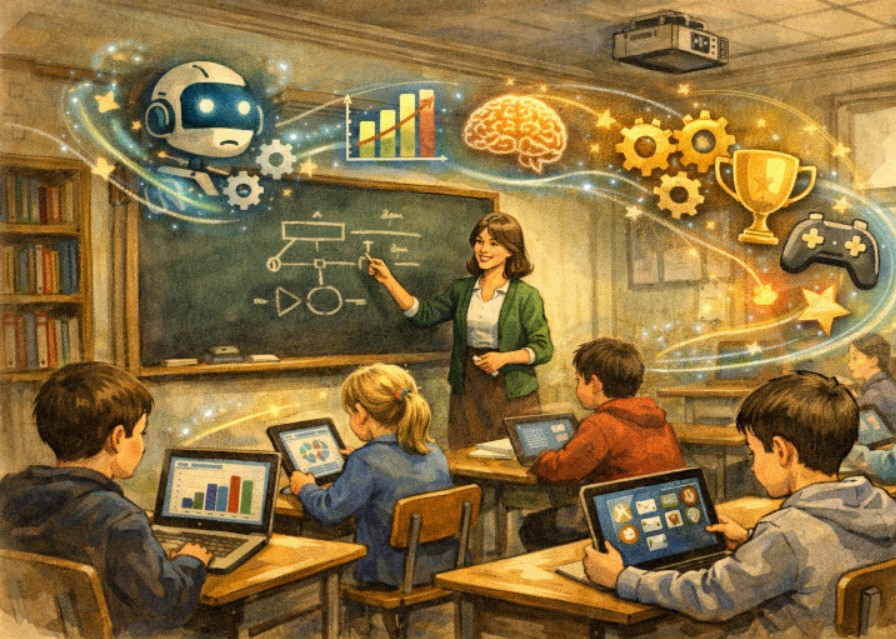
Personalized Learning Experiences
Data-driven personalization is becoming a defining feature of digital learning. By analyzing user data, platforms can identify strengths, weaknesses, and learning preferences, then customize content and delivery accordingly. This approach helps educators address differences in pace, content mastery, and even motivation, making classes more inclusive and productive.
Features like adaptive testing and curated study plans create a learning environment that keeps students challenged, yet never overwhelmed. Personalized learning prepares students for future success by meeting them where they are, encouraging autonomy and sustained engagement.
The Rise of Hybrid Learning Models
Hybrid learning, which blends online digital resources and in-person instruction, offers the flexibility today’s learners seek. More institutions are investing in tools that enable this model, ensuring content is accessible from anywhere while still delivering opportunities for direct interaction and community building. As highlighted by eCampus News, hybrid approaches are reshaping higher education by balancing technological innovation with the human element of learning.
This model accommodates a diverse student population, from adult learners returning to school to traditional undergraduates balancing jobs or family responsibilities. The ability to switch between modalities allows educators to address a wider range of needs and learning styles.
Data Security and Privacy Concerns
Expanding digital infrastructure brings with it a wide range of data privacy and security challenges. With large amounts of sensitive data now managed online, institutions need to employ best-in-class cybersecurity strategies to protect students and staff. A growing number of high-profile breaches have emphasized the need for transparent, robust policies and state-of-the-art security technology. Coverage from Inside Higher Ed underscores the critical importance of building trust around online learning environments through proactive measures.
Compliance with international privacy standards and the regular auditing of internal systems are now baseline requirements for educational organizations. Users can expect ongoing updates to terms of service, data access policies, and identity authentication tools to remain a consistent feature of modern platforms.
Gamification and Engagement Strategies
Gamification is becoming a mainstream method for enhancing engagement and motivating learners to keep progressing. By incorporating elements such as points, badges, leaderboards, and scenario-based challenges, digital platforms make the learning process enjoyable and rewarding. When students see tangible evidence of their progress, their motivation and retention rates increase significantly.
Beyond surface-level incentives, gamification can promote healthy competition, teamwork, and self-directed learning. Systems that let students set goals and celebrate achievements build a positive feedback loop that sustains participation throughout the course.
Lifelong Learning and Micro-Credentials
As global careers evolve, individuals need ongoing access to skill development throughout their lives. Digital learning platforms are shifting their focus to lifelong education, offering short courses and stackable micro-credentials that carry recognized value in the job market. According to research published on arXiv, these modular programs enable flexible, just-in-time learning that accommodates professional and personal commitments.
Micro-credentials are often industry-aligned, giving learners a tangible way to showcase competencies and adapt to changing career demands. This trend is especially pronounced in technology-driven fields, where continuous upskilling is vital to career advancement.
Conclusion
Digital learning platforms continue to lead the way in educational innovation, shaping the future through tailored instruction, flexible delivery, robust security, and lifelong learning opportunities. By harnessing the latest advancements in artificial intelligence, hybrid models, and user-centric design, educators and learners will be well-equipped to meet the evolving demands of the digital age. Staying engaged with these trends is vital for achieving educational success and preparing for the workforce of tomorrow.