
 By Mary Sun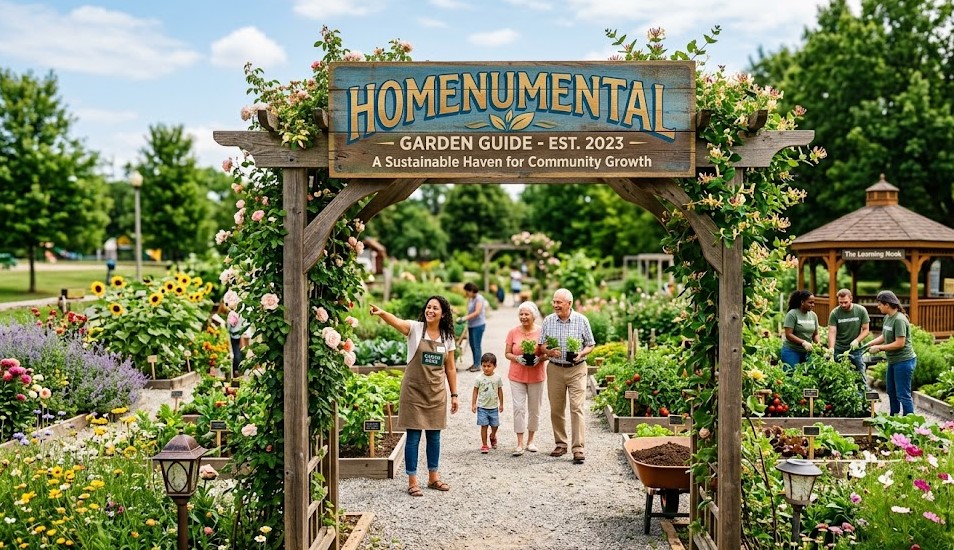
The garden guide homenumental is a modern gardening approach that focuses on creating outdoor spaces that are both visually impressive and practically functional. Instead of random planting or simple decoration, it encourages a structured design mindset where every element in the garden has a clear purpose. This includes plant placement, walking paths, seating areas, and even decorative features like stones or water elements. The goal is to create a garden that feels like a natural extension of the home, offering beauty, comfort, and long-term sustainability in one unified design.
In simple terms, this concept combines landscaping principles with thoughtful planning. It helps homeowners move away from messy or unorganized gardens and instead build a space that feels balanced and intentional. The idea also emphasizes sustainability, meaning plants are chosen not just for appearance but also for how well they adapt to the environment, require less maintenance, and support local ecosystems. Over time, this approach results in a garden that grows more beautiful and easier to manage, rather than becoming overwhelming or costly to maintain.
Planning Your Garden Layout
Planning your garden layout is one of the most important steps in the garden guide homenumental approach because it sets the foundation for everything that follows. A well-planned layout helps you understand how your space will be used, where each plant will grow, and how different areas of the garden will connect with each other. Instead of randomly placing plants, this method encourages you to divide your garden into clear sections such as planting zones, walking paths, resting areas, and decorative spaces. This makes the garden more organized, easier to maintain, and visually more appealing.
Another key part of planning is observing your outdoor space before making any changes. You need to study sunlight patterns, shade areas, wind direction, and soil conditions so you can place plants in the right spots. For example, sun-loving plants should be placed in bright areas, while shade-tolerant plants should go under trees or covered sections. A thoughtful layout not only improves plant health but also enhances the overall harmony of the garden. When done correctly, this planning stage ensures that your garden grows naturally and remains balanced over time without constant redesign or correction.
Soil Preparation and Ground Health
Soil preparation is a critical foundation of the garden guide homenumental method because healthy soil directly determines how well your garden will grow. Before planting anything, it is important to understand the condition of your soil—whether it is sandy, clay-heavy, or loamy. Each type behaves differently in terms of water retention, nutrient availability, and root growth. By identifying the soil type early, you can make the necessary improvements to create a fertile environment where plants can thrive naturally and consistently.
Improving soil health usually involves adding organic matter such as compost, dry leaves, or natural fertilizers to enrich its nutrients. This process not only improves plant growth but also enhances soil texture, making it easier for roots to spread and absorb water. Proper soil preparation also includes removing weeds, breaking hard ground layers, and ensuring good drainage to prevent waterlogging. When soil is healthy and well-balanced, it reduces the need for constant maintenance and chemical treatments, making the entire gardening process more sustainable and aligned with long-term growth goals.
Choosing the Right Plants
Selecting the right plants is a key step in the garden guide homenumental approach because plant choice directly affects the beauty, balance, and sustainability of your garden. Instead of choosing plants only based on appearance, this method encourages you to consider climate compatibility, growth patterns, water needs, and maintenance level. Plants that naturally thrive in your region will always perform better, require less care, and stay healthier for longer periods, making your garden more stable and visually consistent throughout the year.
Another important aspect is creating a mix of plant types to build diversity and depth in your garden. This includes combining flowering plants, shrubs, ground cover, and trees in a way that each layer complements the other. Perennial plants are especially valuable because they return every year, reducing the need for replanting and maintenance. By blending different textures, colors, and heights, you can create a natural flow that makes your garden look full, balanced, and professionally designed while still remaining easy to manage over time.
Design Principles for a Homenumental Garden
The design principles in the garden guide homenumental approach focus on turning a simple outdoor space into a visually structured and meaningful environment. Instead of placing elements randomly, this method encourages thoughtful design where every feature—plants, pathways, seating areas, and decorative pieces—works together as a unified composition. A well-designed garden should feel balanced, where no area looks too empty or too crowded, and where the eye naturally moves through different sections without confusion.
One of the core ideas in this design philosophy is the use of focal points and layering. A focal point could be a tree, fountain, or seating corner that draws attention and gives the garden a sense of direction. Layering involves arranging plants in height order, with taller plants at the back and shorter ones in the front, creating depth and structure. Repetition of colors and plant types also helps maintain visual harmony. When these principles are applied correctly, the garden becomes more than just a collection of plants—it becomes a carefully designed outdoor space that feels calm, intentional, and naturally beautiful.
Maintenance and Sustainability Practices
Maintenance plays a crucial role in the garden guide homenumental approach because even the best-designed garden needs consistent care to stay healthy and attractive. However, the focus here is not on heavy or complicated maintenance but on smart, efficient practices that make gardening easier over time. Regular tasks such as watering, pruning, and removing dead plants help maintain structure and prevent overgrowth. The idea is to keep the garden balanced without requiring excessive effort or constant redesign.
Sustainability is another major pillar of this approach. Instead of relying heavily on chemicals or high water usage, the method encourages eco-friendly practices such as composting, mulching, and using natural pest control techniques. Drip irrigation systems and rainwater collection can also significantly reduce water waste while keeping plants healthy. By focusing on long-term sustainability, the garden becomes more self-sufficient, cost-effective, and environmentally friendly. Over time, this creates a stable ecosystem where plants grow naturally with minimal intervention, aligning perfectly with the core philosophy of the homenumental gardening style.
Common Mistakes and Expert Tips
In the garden guide homenumental approach, avoiding common gardening mistakes is just as important as following the correct methods. One of the biggest mistakes people make is overcrowding plants, which can lead to poor air circulation, limited growth, and higher chances of disease. Another common issue is ignoring sunlight requirements, where shade-loving and sun-loving plants are placed in the wrong areas, resulting in weak or unhealthy growth. Skipping soil preparation is also a frequent mistake that directly affects plant survival and long-term garden health.
Experts recommend starting small and expanding gradually rather than trying to design the entire garden at once. This allows better control over layout, soil improvement, and plant selection. Another useful tip is to observe seasonal changes and adjust your garden accordingly, as different plants thrive in different conditions throughout the year. Professionals also suggest focusing on consistency instead of perfection—meaning regular care, small improvements, and steady maintenance will always produce better results than occasional heavy effort. By following these practical insights, you can avoid frustration and build a garden that grows stronger and more beautiful over time.
Conclusion
The garden guide homenumental approach brings together design, planning, and sustainability to create outdoor spaces that are both beautiful and functional. Instead of treating gardening as a simple task, it encourages a thoughtful process where every decision—from layout to plant selection—contributes to a long-lasting and balanced environment. When applied correctly, this method transforms even a basic backyard into a structured, peaceful, and visually appealing garden that is easy to maintain and enjoyable throughout the year.
By focusing on soil health, smart plant choices, organized design principles, and eco-friendly maintenance, homeowners can build gardens that improve with time rather than becoming difficult to manage. The key idea is consistency and planning, not perfection. Over time, small improvements and regular care lead to a stable, sustainable garden that reflects both natural beauty and personal style.
FAQs
1. What is the main idea of garden guide homenumental?
It focuses on creating a structured, sustainable, and visually balanced home garden using planned design and eco-friendly practices.
2. Is this gardening method suitable for beginners?
Yes, it is beginner-friendly because it emphasizes simple planning, gradual improvement, and low-maintenance techniques.
3. Do I need a large space for this gardening style?
No, it can be applied to small backyards, balconies, or large gardens depending on available space.
4. What makes this approach different from regular gardening?
It combines design thinking with sustainability, ensuring the garden is not only beautiful but also functional and easy to maintain over time.
For More Updates Visit: blogangle