
 By Mary Sun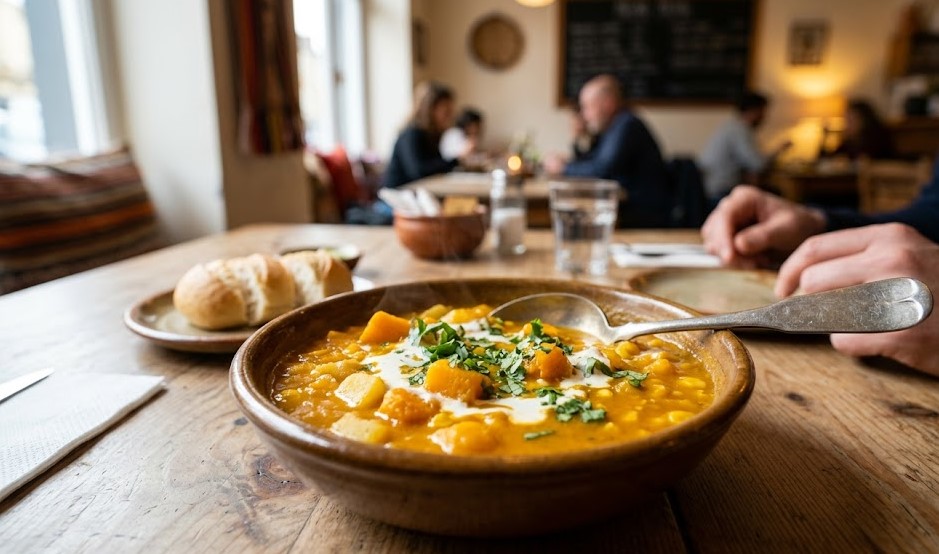
Locro de zapallo is a traditional Andean stew made primarily from pumpkin (zapallo), potatoes, corn, and cheese, known for its creamy texture and comforting flavor. It is a beloved dish in countries like Peru, Bolivia, and Ecuador, where it is often prepared in homes as a warm, hearty meal shared with family. The natural sweetness of the pumpkin blends with savory ingredient, creating a balanced taste that feels both simple and rich at the same time. Over time, locro has become more than just food—it represents cultural identity and tradition passed down through generations.
This dish is deeply rooted in indigenous culinary history, where squash and maize were essential staples long before modern cooking influences arrived. Today, locro de zapallo continues to evolve, with different regions adding their own touch, such as milk for creaminess or herbs for extra aroma. Despite these variations, the essence remains the same: a comforting, home-style dish that reflects heritage, warmth, and simplicity in every bite.
Why Locro de Zapallo Is Hard to Find Locally
Locro de zapallo is not commonly found in many countries because it is a highly regional dish that originates from the Andean region of South America. Unlike globally popular foods such as pasta or burgers, it has not been widely commercialized or adapted into international restaurant menus. As a result, people searching for the best locro de zapallo near me often struggle to locate authentic versions unless they are in areas with a strong Latin American culinary presence.
Another major reason is ingredient availability. Traditional locro relies on specific varieties of squash, especially zapallo, which are not always easy to source outside South America. Without the right type of pumpkin, the dish loses its signature flavor and texture, making it difficult for restaurants to maintain authenticity. This is why even Latin restaurants abroad may skip it or offer limited versions depending on seasonal ingredients.
Finally, locro de zapallo is traditionally a homemade dish rather than a commercial one. It is often cooked in family kitchens rather than served in restaurants, which further reduces its visibility in the food industry. Because of these factors, finding it locally requires more effort, exploration, and sometimes even asking directly at specialty eateries.
Where to Find the Best Locro de Zapallo Near You
Finding the best locro de zapallo near me usually depends on how diverse the local food scene is and whether there are restaurants specializing in Latin American cuisine. In most cities, your best chance of discovering an authentic version is at Peruvian or broader South American restaurants. These places often include traditional dishes on their menu, especially if they are family-owned or focus on regional cooking styles rather than fusion or fast food adaptations.
Another possible option is upscale hotels or international buffet restaurants. These venues sometimes feature rotating global menus where dishes like locro de zapallo may appear during themed nights or special events. While not guaranteed, this is where chefs are more likely to experiment with authentic international recipes, giving you a better chance of tasting something close to the traditional version.
Lastly, small hidden eateries or community-run Latin food spots can sometimes surprise you. These places may not always advertise widely online, but they often serve homemade-style dishes based on family recipes. Asking locals or checking niche food communities can help uncover these hidden gems when searching for the best locro de zapallo near me.
What Makes a Truly Authentic Locro de Zapallo
A truly authentic locro de zapallo is defined by its balance of simplicity, texture, and natural flavor rather than heavy seasoning or complex preparation. The foundation of the dish is ripe pumpkin (zapallo), which gives it a naturally sweet and creamy base when cooked slowly. This is combined with potatoes, corn, onions, garlic, and cheese, all of which melt together to create a thick, comforting stew. The best versions avoid overpowering spices, allowing the natural ingredients to stand out clearly in every spoonful.
Authenticity also comes from the cooking method. Traditional locro is prepared slowly, allowing the pumpkin to break down and create its signature creamy consistency without the need for artificial thickeners. In many Andean households, the dish is considered ready only when the texture becomes smooth but still slightly rustic, preserving small chunks of vegetables for bite and character. This careful balance is what separates an average dish from the best locro de zapallo near me experience.
Another important factor is the use of fresh, local ingredients. In its original form, locro reflects farm-to-table cooking long before it became a modern trend. Fresh squash, hand-picked herbs, and locally made cheese all contribute to its depth of flavor. Food experts often describe authentic locro as “a dish that tastes like home, even if you’ve never been there,” highlighting its emotional and cultural depth.
How to Identify Good Restaurants or Hidden Local Spots
When searching for the best locro de zapallo near me, identifying a truly good restaurant requires more than just checking a menu. Authentic spots often have a strong cultural identity, usually reflected in their chefs, recipes, or customer base. Restaurants run by people from South American backgrounds are more likely to serve traditional versions, as they tend to preserve original cooking methods passed down through generations.
Another strong indicator is the menu style. If a restaurant focuses on a wide range of authentic regional dishes rather than generic international food, it has a higher chance of serving quality locro de zapallo. Small, family-run eateries or “home-style” kitchens are especially worth exploring, as they often prioritize flavor and tradition over presentation or mass production.
You should also pay attention to customer reviews and food photos shared online. While not always perfect, they can reveal whether the dish looks creamy, fresh, and homemade or overly processed. In many cases, the best locro de zapallo near me is found not in well-advertised places but in modest local spots where recipes are preserved rather than modified for mass appeal.
Best Alternatives If You Can’t Find It Nearby
If you are searching for the best locro de zapallo near me but cannot find it in your area, there are still several satisfying alternatives that capture a similar comforting and creamy experience. Many people turn to other pumpkin-based soups or stews that are more widely available in international or local cuisines. These dishes may not be exact matches, but they offer similar warmth and texture.
One of the closest alternatives is pumpkin soup made with cream, potatoes, and spices. It shares the same smooth consistency and natural sweetness as locro de zapallo. In some regions, squash-based curries or vegetable stews can also provide a comparable hearty feel, especially when combined with cheese or dairy for richness. These options are often easier to find in restaurants and home kitchens outside South America.
Another option is experimenting with fusion dishes. Some modern chefs recreate locro-inspired meals using local ingredients like butternut squash, sweet corn, and cheddar cheese. While not traditional, these versions still capture the essence of the dish. For many food lovers, these alternatives become a practical solution when the best locro de zapallo near me is not available locally.
Homemade Locro de Zapallo: A Better Option?
For many people searching for the best locro de zapallo near me, the most realistic and rewarding solution is actually making it at home. Since this dish is deeply rooted in home cooking traditions, preparing it yourself often delivers a more authentic experience than what you might find in restaurants outside South America. It also allows you to adjust the texture, seasoning, and ingredients based on what is available locally.
A homemade version of locro de zapallo is surprisingly simple. With basic ingredients like pumpkin (or butternut squash as a substitute), potatoes, corn, onions, garlic, and cheese, you can recreate the creamy and comforting base of the dish. Slow cooking is the key, as it helps the pumpkin break down naturally and blend with the other ingredients, creating that signature rich consistency without the need for artificial thickeners.
Another advantage of making it at home is control over freshness and quality. You can choose fresh vegetables, adjust salt levels, and even add personal touches like herbs or spices. Many food lovers say that homemade locro tastes even better than restaurant versions because it reflects personal care and tradition. In fact, for those unable to find the best locro de zapallo near me, the homemade route often becomes the most satisfying option overall.
Conclusion
Locro de zapallo is more than just a pumpkin-based stew—it is a cultural dish that represents tradition, comfort, and home-style cooking from the Andean region. When people search for the best locro de zapallo near me, they are usually not just looking for a meal, but for an authentic taste experience that connects them to heritage and simplicity. However, because it is a regional dish with limited global restaurant presence, finding it locally can often be challenging.
In most cases, the best chances of enjoying authentic locro come from Peruvian or South American restaurants, small family-owned eateries, or occasionally international hotel buffets. When these are not available, exploring alternatives or preparing it at home becomes the most practical and satisfying solution. Homemade locro, in particular, often delivers the closest experience to the traditional version because it allows full control over ingredients and cooking style.
Ultimately, the search for the best locro de zapallo near me reflects a growing interest in global comfort foods and traditional recipes. Whether you find it in a restaurant or cook it yourself, the dish remains a warm reminder of how food connects people across cultures.
FAQs
1. What is locro de zapallo made of?
It is made from pumpkin (zapallo), potatoes, corn, onions, garlic, and cheese, cooked into a creamy stew.
2. Is locro de zapallo spicy?
No, it is usually mild and focuses on natural sweetness and creamy texture rather than spice.
3. Where can I find locro de zapallo near me?
It is most commonly found in Peruvian or South American restaurants, though availability depends on your location.
4. Can I make locro de zapallo at home?
Yes, it is a simple home-style dish and often tastes more authentic when prepared at home using fresh ingredients.
For More Updates Visit: blogangle