
 By Qamer Javed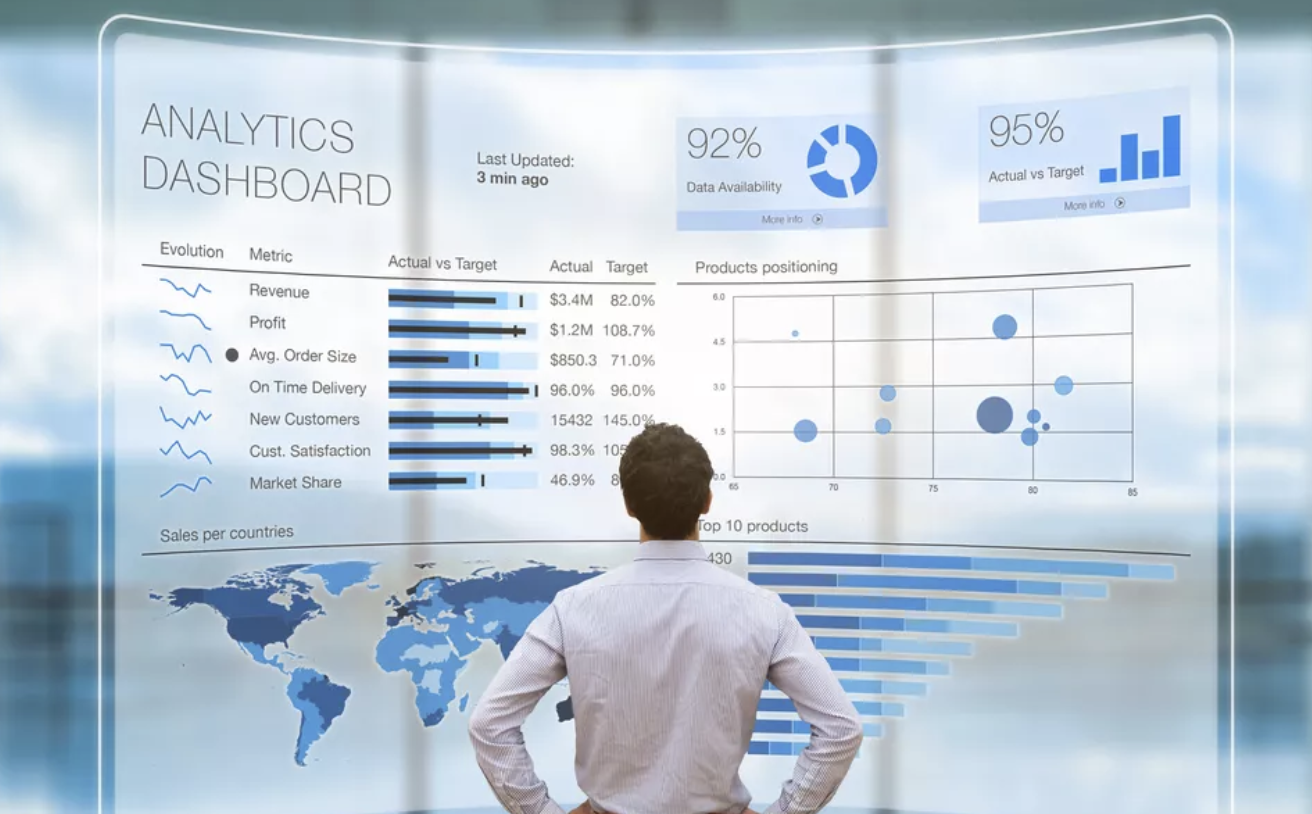
Key Takeaways
- Data-driven sales methods personalize engagement and increase decision-making accuracy.
- The adoption of artificial intelligence optimizes sales processes and enhances forecasting capabilities.
- Real-time analytics allow teams to respond swiftly to customer and market changes.
- Organizations must address challenges such as data quality and privacy to unlock the full benefits of these strategies.
The world of sales is changing rapidly, with more organizations embracing data-driven approaches to gain a competitive advantage. As customer expectations evolve and new digital tools become available, sales teams are prioritizing strategies that rely on advanced analytics and artificial intelligence. These teams are better prepared to identify prospects, tailor outreach, and close more deals by leaning on a platform for conversation intelligence and coaching. This technological shift enables companies to extract greater value from their sales data, ensuring that insights translate into measurable business results. Data-driven sales teams leverage predictive algorithms and real-time reporting, changing how businesses approach customer relationships. By incorporating AI and machine learning, organizations can move beyond guesswork and surface actionable patterns. The integration of these innovations empowers sales professionals to make decisions rooted in facts rather than intuition and to respond quickly as markets shift.
The Shift Towards Data-Driven Sales
Traditional sales once revolved around intuition, personal experience, and manual processes. However, the digital age has brought an explosion of data, fundamentally changing how sales teams operate. Nowadays, businesses thrive on their ability to collect, analyze, and act on customer insights. A 2023 Salesforce report found that 75 percent of sales organizations have already adopted AI-powered tools, and 90 percent of those report notable increases in revenue thanks to this integration. Access to such tools means decisions can be guided by facts rather than assumptions, making teams far more effective. Digital transformation is also shifting business cultures. Sales professionals are encouraged to use collaborative tools, develop analytical skills, and embrace continuous learning. As more sales operations become data-centric, it creates an environment where experimentation and performance measurement are routine. Technologies previously limited to enterprise giants are becoming accessible to businesses of all sizes, putting predictive sales strategies within reach for everyone.
Integrating AI into Sales Processes
Artificial intelligence is fundamentally reshaping the sales function. AI tools can automate tasks previously done manually, such as lead scoring, customer segmentation, and even initial outreach. Organizations like Insightly have introduced AI-powered chatbots that support sales reps by handling basic queries and scheduling, freeing up time for more complex interactions. These solutions improve the efficiency and effectiveness of sales conversations, analyze historical data, and uncover patterns that might otherwise go unnoticed. Enhanced data interpretation through AI also boosts forecasting and pipeline management. Machine learning algorithms can identify which activities are most closely linked to closed deals or reveal customers at risk of churning. As a result, teams can focus their efforts where they matter most, dramatically increasing close rates and overall sales performance.
Real-Time Data Analytics
Access to real-time sales data enables teams to be agile and make timely, informed decisions. With dashboards and analytics tools tracking performance metrics in real time, leaders and representatives alike can adjust strategies in response to in-the-moment developments. For example, if a new product is not resonating with prospects in one region, sales tactics can be modified immediately to prevent lost revenue. Real-time analytics are not just about speed. They provide transparency across the organization, encourage accountability, and fuel more effective coaching. Companies using leading sales performance platforms can monitor individual and team metrics, spotting skill gaps and opportunities for continuous improvement.
Challenges in Data Integration
While the move to data-driven sales offers significant upside, it is not without hurdles. One of the biggest pain points is the quality of data entering the system. Inaccurate or incomplete data can skew results and lead to poor decision-making. System integration is another concern, as many companies have legacy platforms that do not communicate effectively with modern tools. Overcoming this often requires a significant investment in IT and change management. Privacy and data compliance are additional critical challenges. Sales organizations must navigate complex regulations around customer data usage and storage. Ensuring robust security standards and regular staff training are now standard parts of any data-driven sales strategy, helping teams build and maintain customer trust.
Future Trends in Data-Driven Sales
The future of data-driven sales teams will be characterized by even deeper integration of AI and machine learning. Predictive analytics will not only forecast outcomes but suggest next-best actions for sales reps in real time. There will likely be increased focus on conversational intelligence to personalize outreach further and refine sales scripts, as well as on tools that enable multichannel engagement and cross-device coordination. As CRM platforms become smarter, sales technology will increasingly blur the lines between sales, marketing, and customer experience. Future platforms will empower teams to predict shifts in buyer behavior earlier and develop unique, value-driven interactions. For ongoing success, organizations must remain adaptable, continually learning about new technologies and emerging methodologies.
Conclusion
Sales organizations that embrace data-driven strategies are well-positioned to succeed in an increasingly competitive market. By using advanced analytics, AI, and real-time data, these teams can personalize approaches, identify new growth opportunities, and adapt quickly to market changes. The journey towards becoming a fully data-driven sales organization involves overcoming integration and privacy challenges while keeping a consistent focus on process improvement. Those who move swiftly and thoughtfully in this direction will enjoy stronger customer relationships and sustained business growth well into the future.