
 By Freddie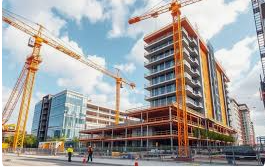
The commercial construction industry is experiencing a profound transformation, driven by a combination of technological advancements, new sustainability initiatives, and rapidly evolving client demands. As the market continues to grow more competitive and complex, developers, contractors, designers, and stakeholders must stay informed about these trends to maintain a competitive edge and deliver value in this dynamic landscape. For instance, Snyder Construction, one of the most respected commercial construction companies Denver, exemplifies this evolution by integrating cutting-edge technology, transparent communication, and a focus on quality to consistently deliver timely results that satisfy both commercial clients and end users.
Smart Technologies and IoT Integration
The adoption of smart technologies and the Internet of Things (IoT) is revolutionizing the way commercial buildings are designed, constructed, and operated. Smart buildings now routinely incorporate advanced systems such as intelligent HVAC units that adjust settings automatically based on occupancy or weather, automated lighting that responds to presence or daylight, and integrated IoT sensors that provide real-time data on everything from energy usage to air quality. With the ability to monitor and control environments remotely, facility managers can optimize energy consumption, minimize unnecessary maintenance, and address issues before they escalate. As a result, these smart systems lead to significant long-term cost savings, improved performance, and enhanced comfort and productivity for all occupants. They are also paving the way for greater automation in building management, streamlining everything from security to cleaning services through connected platforms.
Sustainable Building Practices
Sustainability has become a cornerstone of modern commercial construction, reflecting both regulatory changes and a shift in market expectations. Today, developers are making conscious decisions to incorporate green building materials, such as recycled steel or sustainably sourced wood. They are using low-emission adhesives, paints, and insulation to improve indoor air quality. Energy-efficient systems, like LED lighting, high-performance windows, and advanced climate control, are now standard in new projects. Many developers are also pursuing certifications such as LEED, WELL, or Energy Star to demonstrate their commitment to reducing environmental impacts and providing healthier spaces. These green initiatives not only reduce a building’s carbon footprint and operating costs but also enhance property value and marketability, particularly to organizations seeking to reinforce their own environmental credentials or meet sustainability mandates. Furthermore, eco-friendly construction practices positively impact the reputation of firms and bring long-term benefits to occupants through reduced utility bills and lower lifecycle costs.
Modular and Prefabricated Construction
Modular and prefabricated construction methods are gaining significant traction within the industry, offering transformative benefits for both builders and clients. In this approach, building components—such as walls, floors, or entire rooms—are fabricated in controlled factory environments, ensuring high levels of quality, precision, and safety. Once completed, these modules are transported to the site and rapidly assembled, thereby drastically reducing project timelines compared to traditional construction methods. This process also minimizes on-site noise, disruption, and waste, as precise material quantities are used and recycling protocols are easier to implement in factory settings. The consistency and superior quality control achievable with prefabrication help to mitigate expensive delays and rework. In especially dense or busy urban areas where construction logistics can be challenging, modular building offers solutions that keep projects on track, lower labor costs, and provide flexibility for future expansion or reconfiguration, all while upholding strict standards of safety and design.
Adaptive Reuse and Renovation
Adaptive reuse is a fast-growing trend in commercial construction that focuses on repurposing existing structures for new and innovative uses. Instead of demolishing older buildings, developers and architects are breathing new life into them by converting warehouses into modern offices, industrial spaces into trendy retail environments, or historic landmarks into hotels and co-working hubs. This strategy significantly reduces the carbon footprint associated with demolition and new construction, since the existing “embodied energy” of the structure is conserved. Beyond environmental benefits, adaptive reuse projects offer a sense of character and distinctiveness that entirely new builds often lack, helping communities preserve their cultural heritage and architectural identity. Renovating aging but well-placed properties can also provide much-needed affordable commercial space in urban cores, drive regeneration of underutilized neighborhoods, and meet the growing demand for unique environments that foster creativity and community engagement.
Advanced Materials and Construction Methods
New developments in building materials and innovative construction techniques are rapidly altering the capabilities and expectations of commercial structures. Advanced materials such as self-healing concrete, which contains bacteria that seal cracks when exposed to moisture, are being adopted to extend building lifespans and cut routine maintenance costs. High-performance glass with dynamic tinting and enhanced insulation properties allows for better daylighting, improved occupant comfort, and increased energy efficiency. Other noteworthy advancements include lightweight composites, high-strength steels, and 3D-printed structural components, all of which offer unique performance characteristics and design flexibility. Innovative practices, such as Building Information Modeling (BIM), are streamlining collaboration throughout the construction process, reducing errors, and facilitating efficient planning and execution.
Final Thoughts
Incorporating these modern trends into commercial construction projects can result in buildings that are smarter, more efficient, and resilient in the face of changing demands. Forward-thinking developers who actively embrace these innovations position themselves and their projects to achieve long-term success, respond rapidly to client needs, and deliver value through both superior performance and sustainability. Staying informed and adaptable is not only advisable—it’s now essential to thrive in the continually evolving world of commercial construction.