
 By Mary Sun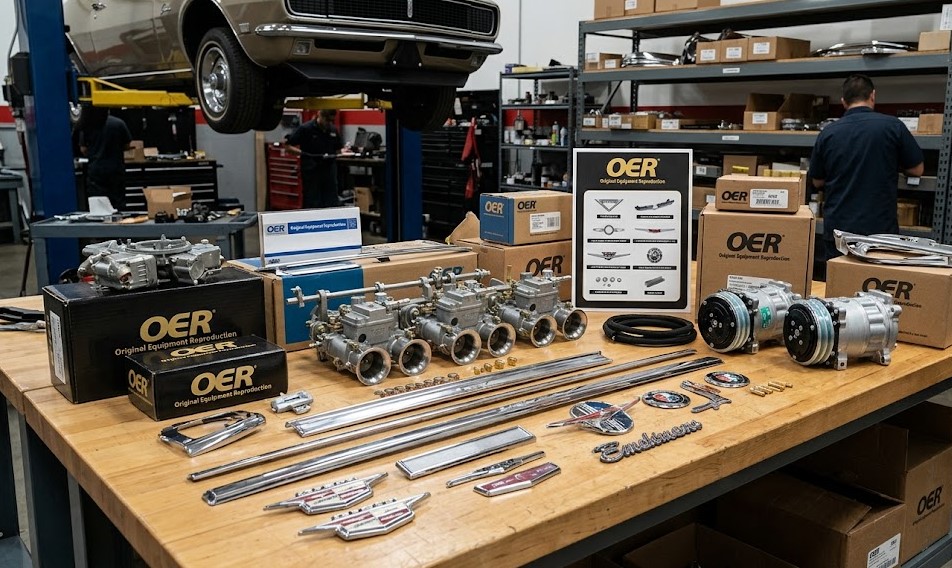
OE parts, often mistakenly searched as oer parts, refer to Original Equipment parts that are made according to the exact specifications of the vehicle manufacturer. These parts are designed to match the same quality, performance, and safety standards as the components originally installed in a car at the factory. The focus keyword oer parts is commonly used by people looking for reliable replacement parts that ensure their vehicle continues to perform exactly as intended. Because these parts follow strict manufacturing guidelines, they provide the same fit and function as original factory-installed components.
OE parts are widely used in vehicle maintenance and repairs because they ensure consistency and reliability. Whether it is an engine component, brake system, or electrical part, OE parts are built to maintain the original driving experience of the vehicle. They are especially important for newer cars or vehicles under warranty, where maintaining manufacturer standards is essential. This makes OE parts a preferred choice for both professional mechanics and vehicle owners who want long-term durability and safety.
OE Parts vs OEM vs Aftermarket Parts
OE parts are often confused with OEM and aftermarket parts, but they are not the same. OE parts are the exact components used in the original factory assembly of the vehicle. OEM (Original Equipment Manufacturer) parts are made by the same company but may be sold under a different brand name. Aftermarket parts, on the other hand, are produced by third-party manufacturers and may vary in quality and performance.
The focus keyword oer parts is important here because many users searching for reliable replacements often do not know the difference between these categories. OE parts guarantee exact match and factory-level performance, while OEM parts may offer similar quality at a lower cost. Aftermarket parts are usually more affordable but can vary significantly in durability and fit. Understanding these differences helps vehicle owners make informed decisions based on budget, performance needs, and safety requirements.
Types of OE Parts
OE parts cover almost every component of a vehicle system. These include engine parts such as pistons, filters, and timing belts, which are essential for smooth engine performance. Brake system components like pads, rotors, and calipers also fall under OE parts, ensuring safe stopping power. Suspension parts, electrical systems, and body components like doors and mirrors are also commonly replaced using OE parts.
The keyword oer parts applies to all these categories because each part is manufactured to match the exact original design of the vehicle. This ensures that every system in the car works together smoothly without compatibility issues. OE parts are especially important in complex systems where precision and safety are critical, such as braking and engine performance systems.
Why OE Parts Matter for Vehicles
OE parts matter because they preserve the original performance and safety standards of a vehicle. Since they are made according to factory specifications, they ensure that every replacement part fits perfectly and functions as intended. This reduces the risk of mechanical failure and improves long-term vehicle reliability.
For users searching oer parts, the main reason for choosing them is trust in quality and consistency. Vehicles are engineered as complete systems, and using mismatched parts can affect performance. OE parts ensure that all components continue working in harmony, maintaining fuel efficiency, safety, and driving comfort.
Advantages of OE Parts
OE parts offer several important advantages, making them a preferred choice for vehicle maintenance. They provide perfect fitment, which means no modifications are required during installation. They also offer high durability because they are made using factory-grade materials and strict quality control processes.
Another key advantage of oer parts is reliability. Since they match the original specifications, they reduce the chances of breakdowns or compatibility issues. They also help maintain vehicle warranty coverage, which is important for newer cars. Overall, OE parts deliver consistent performance, safety, and long-term value.
Disadvantages of OE Parts
Despite their benefits, OE parts also have some limitations. One of the main disadvantages is their higher cost compared to aftermarket alternatives. Because they are made to strict factory standards, they are often more expensive.
Another drawback is availability. In some regions, oer parts may only be available through authorized dealers, which can make them harder to source. However, many vehicle owners still prefer them because they prioritize quality and reliability over cost savings.
Where OE Parts Are Used
OE parts are commonly used in authorized service centers, warranty repairs, and insurance-approved vehicle maintenance. They are especially important in new vehicles where maintaining factory standards is required for warranty protection.
The keyword oer parts is also relevant in professional repair environments where precision is essential. Luxury cars, performance vehicles, and fleet maintenance systems often rely on OE parts to ensure consistent and safe operation. These parts are trusted wherever quality and reliability cannot be compromised.
Conclusion
OE parts play a crucial role in maintaining vehicle performance, safety, and reliability. They are built to match original factory standards, ensuring perfect fit and long-lasting durability. The focus keyword oer parts represents a category of automotive components that help preserve the original quality of vehicles.
While they may cost more than aftermarket options, their reliability, precision, and safety benefits make them a valuable investment. For vehicle owners who want consistent performance and long-term peace of mind, OE parts remain one of the best choices in automotive maintenance.
FAQs
What does OE parts mean?
OE parts are original equipment parts made to match factory specifications.
Are OE parts better than aftermarket parts?
Yes, they offer better fit, quality, and reliability.
Why are OE parts more expensive?
Because they are made to strict manufacturer standards and quality control.
Where can I buy OE parts?
They are usually available at authorized dealers and service centers.
For More Updates Visit: blogangle