
 By Freddie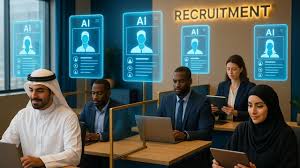
Introduction
The landscape of talent acquisition is undergoing rapid transformation, with technology at its core. Organizations are no longer confined to traditional hiring practices as a new generation of tools emerges to meet the demands of an agile workforce. From sourcing to onboarding, modern approaches are helping organizations overcome skill shortages, speed up hiring, and enrich candidate experiences. An AI recruitment tool enables businesses to unlock new efficiencies while elevating the quality of hires.
This technology-first shift makes hiring more data-driven, efficient, and responsive. In an era of stiff competition for top talent, relying on legacy processes is a risk most organizations simply can’t afford. Embracing modern recruitment solutions is rapidly becoming a necessity rather than a luxury.
Recruiters today juggle volumes of applications, the demand for faster placements, and the need for better workplace diversity. Meeting these requirements is impossible without the right technological support, which digital tools are well-positioned to deliver.
Candidates, too, expect seamless, mobile-enabled recruiting journeys and quicker feedback than ever before. This evolution is mirrored in a wave of innovations covering everything from predictive analytics to virtual reality.
AI-Driven Candidate Screening and Matching
Artificial Intelligence (AI) is arguably the most significant disruptor in the staffing industry. Modern AI applications analyze resumes at scale, rapidly identifying the strongest matches and filtering out irrelevant applications, all while minimizing unconscious biases that can creep into human judgment. This represents a decisive shift away from flawed, time-consuming manual screening.
The adoption of AI in recruitment delivers tangible results:
- 60% reduction in time-to-hire
- 50% decrease in recruitment costs
- 35% improvement in candidate quality
- Enhanced diversity and inclusion metrics
AI-powered platforms now dynamically tailor job descriptions and match requirements with real-time market data, creating a hiring process that is both targeted and adaptable. By continuously learning from outcomes and hiring metrics, these systems become more effective over time, further driving efficiency and accuracy.
Predictive Analytics for Strategic Workforce Planning
Beyond immediate hiring needs, predictive analytics empowers employers to anticipate future trends in workforce demand by analyzing historical hiring data, turnover rates, and broader industry movements. This allows HR teams to build proactive talent pipelines, close anticipated skill gaps in advance, and align with the overall business strategy.
Companies leveraging predictive analytics can adjust their recruitment strategies well before pain points, such as skills shortages or surpluses, affect performance. This forward-thinking approach results in greater workforce agility, greater resilience during market shifts, and shorter, more reactive hiring cycles.
Data-driven strategies provide clarity not only on who to hire, but also when and where to focus recruitment efforts. This move toward anticipatory hiring marks a departure from the reactive, backfilling techniques of the past.
Mobile-First Recruitment Platforms
Over 85% of job seekers now use smartphones to search and apply for jobs, making mobile optimization an essential feature of any modern recruitment solution. Platforms designed for mobile use offer a streamlined application process, real-time chat capabilities, and integrated video interviews, reducing friction for candidates and boosting application completion rates.
- Seamless application processes
- Real-time communication
- Integrated video interviewing
- Enhanced candidate engagement
This mobile-centric engagement also personalizes the recruitment experience, keeping candidates updated and connected throughout the process, thereby building employer brand loyalty and increasing candidate satisfaction.
Blockchain for Credential Verification
The adoption of blockchain is streamlining the critical process of verifying candidate credentials such as academic achievement, work history, and certifications. Using blockchain, organizations can instantly verify documents without relying on third parties, while reducing fraud risk, strengthening compliance, and saving time on background checks.
- Instant verification of educational credentials
- Reduced fraud risk
- Streamlined background checks
- Enhanced compliance management
This level of trust and transparency protects both recruiters and applicants, builds stronger relationships from the first engagement, and eliminates unnecessary administrative burden for HR teams.
Virtual Reality in Recruitment and Training
Virtual reality is redefining job previews, candidate assessments, and onboarding. Employers deploy VR simulations to observe real-world problem-solving skills, foster experiential learning, and gauge cultural fit before extending an offer. Reports from organizations leveraging VR include a 40% improvement in training retention and a 70% reduction in onboarding time.
- 40% better retention of training information
- 70% reduction in onboarding time
- Improved assessment of practical skills
- Enhanced candidate experience scores
These immersive experiences not only help recruits hit the ground running but also provide a differentiated, engaging introduction to company culture, contributing to higher acceptance and retention rates.
Conclusion
Modern recruitment solutions are driving significant change across the entire talent acquisition life cycle. By embracing technologies such as artificial intelligence, predictive analytics, mobile platforms, blockchain, and virtual reality, organizations can achieve faster, fairer, and more strategic hiring outcomes. With these advancements, the focus shifts from merely filling open roles to building resilient teams ready to compete and thrive in tomorrow’s economy.